Property Economic History

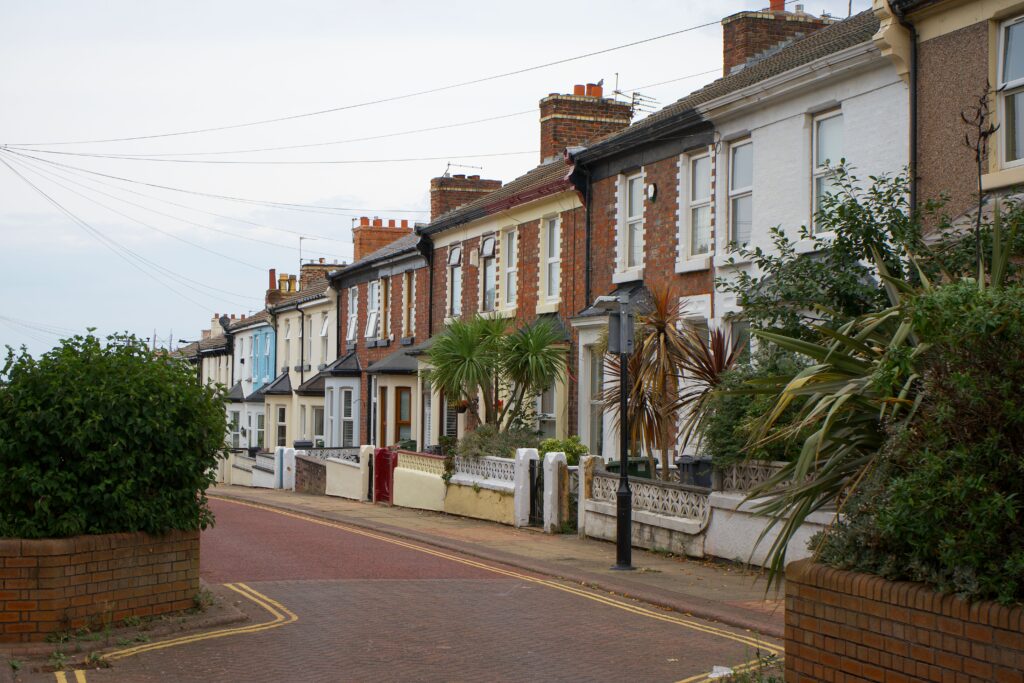
A picturesque view of colorful terraced houses lining a tree-lined alley in Liverpool, England.

UK House Prices

Trends, Inflation and the Property Market Outlook By Coresworth Research, Coresworth Properties. Last reviewed 12 October 2026. Key takeaways Growth is slowing. The official index shows 1.4% annual growth to July 2026, Nationwide 0.8% to September, and Lloyds shows prices unchanged on a year earlier. Prices are slipping against inflation. Consumer prices rose 3.1% in


UK House Prices Read More »

tower, bridge, london, thames, england, london, london, london, london, london

Property Economics 101: How Supply & Demand Shape UK Property Prices

A definitive guide for buyers, sellers and investors who want to understand what really drives the UK housing market. Understanding the UK property market fundamentals and what drives price is very important. Whether you are a first-time buyer, home owner looking to sell your property or a seasoned investor understanding the core drivers of housing

Property Economics 101: How Supply & Demand Shape UK Property Prices Read More »

Classic steam locomotive captured in a vintage style at a train station during daytime.

How Railways Reshaped the Second Industrial Revolution and Property Values

Railways Revolutionised the Industrial Revolution Railways reshaped property values. Railways were one of the defining forces of the Second Industrial Revolution (c. 1870–1914). They did far more than move goods and people faster —  They reshaped the geography of industry, Expanded cities, and Rewrote the rules of property value across Britain. For property investors, the

How Railways Reshaped the Second Industrial Revolution and Property Values Read More »

A picturesque view of canal barges and industrial buildings at the Black Country Living Museum in England.

How Transport Shaped Property Values in the First Industrial Revolution

The Industrial Catalyst: How Infrastructure Refined UK Property Value Transport was one of the most powerful forces behind the rise of modern UK property markets. During the First Industrial Revolution (c.1760 – 1840), canals, improved roads, and railways did more than move goods efficiently —   They changed which locations became valuable, Which towns expanded,

How Transport Shaped Property Values in the First Industrial Revolution Read More »

A black and white view of the industrial area in Rotterdam with smoke emissions.

How the Second Industrial Revolution Reshaped UK Real Estate

The Real Estate Legacy of the Second Industrial Revolution The Second Industrial Revolution changed real estate in a different way from the first: it was less about the initial birth of industrial cities and more about scale, systems, and the modernisation of infrastructure, business, and urban life. For property investors and real estate professionals, that

How the Second Industrial Revolution Reshaped UK Real Estate Read More »

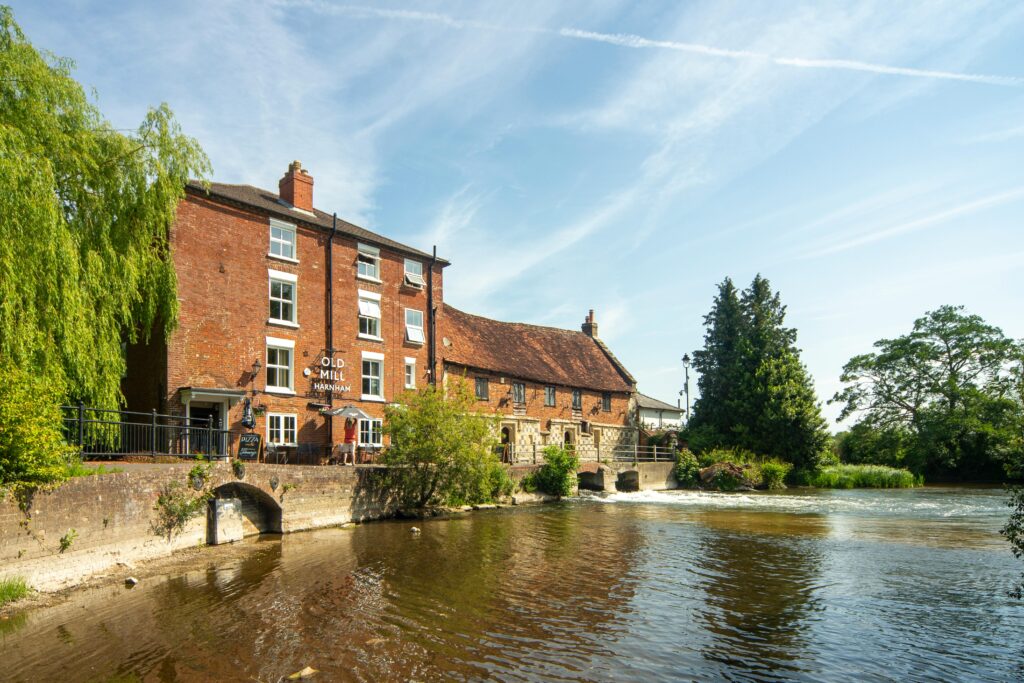
A scenic view of the historic Old Mill by a river in England, surrounded by lush greenery.

How the First Industrial Revolution Shaped UK Real Estate

The Re-Engineering of Britain: How Industrialization Created the Modern Property Market The First Industrial Revolution (c. 1760-1840) transformed UK real estate from a land-based rural system into an urban, infrastructure-driven property market. For property investors and real estate professionals, it is one of the clearest examples of how technology, transport, capital, and regulation can reprice

How the First Industrial Revolution Shaped UK Real Estate Read More »